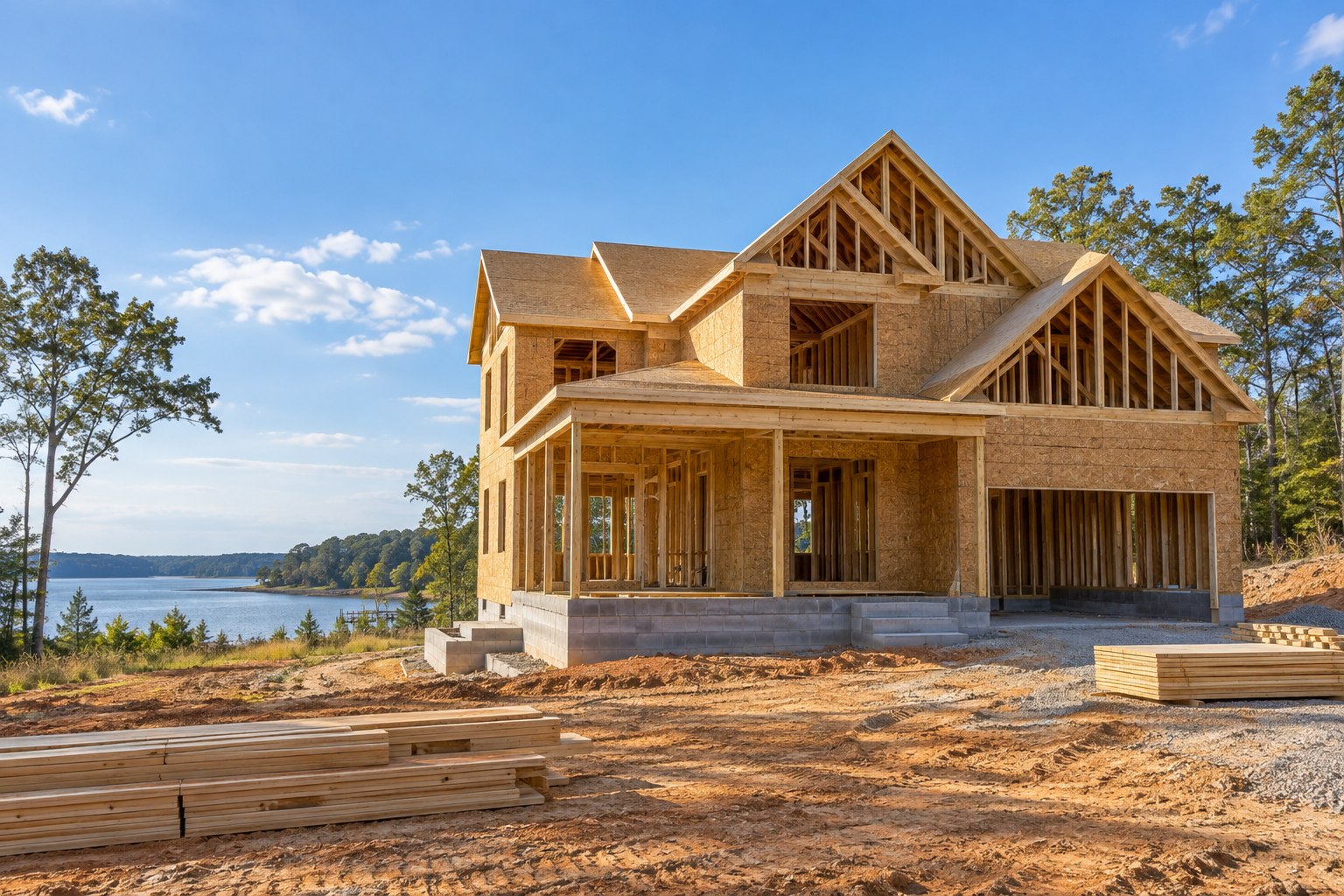

Buying new construction in St. Mary's County starts with defining what you are purchasing, what the builder has committed to provide, and what remains subject to approval. Before signing, review the contract, plans, specifications, financing and property records together. The St. Mary's County permit office coordinates building applications with other reviewing agencies. My recommendation is to organize the purchase around documented milestones rather than an informal completion prediction. That lets you track the home, your financing and your move without treating every unfinished question as a settled fact.
Define the purchase before comparing prices
Ask whether you are buying a completed home, a home already under construction, a to-be-built home on a builder's lot or a separately acquired lot with a construction agreement. Write that description at the top of your planning sheet. Request a list of the documents governing the transaction and who is responsible for each part.
For the house itself, identify the plan, elevation, lot and specifications. Ask which items are included in the quoted price and which require a separate selection or allowance. Keep model-home features out of your assumed package unless the written specifications include them. Photograph examples only with permission and label them as examples rather than contractual commitments.
If you are still choosing between a new home and an existing property, read my new construction versus resale guide. This article focuses on the process after new construction becomes a serious option. Start with the actual purchase structure so the financing and document review can follow the transaction you intend to make.
Check the builder and decide who will advise you
The Maryland Attorney General's new-home information page explains the state's builder-registration requirement, subject to limited exceptions. Use the registered builder directory to check the business you expect to contract with. If the name does not match or a record is unclear, ask the registration unit for clarification before relying on it.
Ask the builder for the legal business name that will appear on the agreement, the contact for construction questions and the contact for warranty issues. Keep registration verification separate from your evaluation of plans, contract terms and workmanship. Do not treat finding a registration record as a guarantee of your project's outcome.
Before touring or negotiating, discuss representation with your agent and ask the builder about its visitor-registration process. Have a Maryland real estate attorney review the agreement and explain legal obligations. My recommendation is to identify your professional team early so a question about financing, construction condition or contract wording reaches the person qualified to answer it.
Review the lot and the approval status
The County's permit guidance distinguishes application review from a completed permit process and explains how to check permit status. Ask for the application or permit number and the current status of the proposed house. Match the records to the actual lot and project rather than relying on a neighboring home's approval.
Ask the builder which site documents you can review and what approvals remain outstanding. Request the plan showing the proposed house location, access and other relevant site features. If something is uncertain, identify who can confirm it and what record would support the answer. Keep the builder's explanation alongside the agency records.
For a property using private water or sewage service, ask the builder and responsible agency what approvals and construction records apply. Avoid extrapolating from another lot. My recommendation is to write every unanswered site question on one page, then close each item only when the appropriate professional or agency has supplied a usable answer for this property.
The St. Mary's County Health Department's building-permit guidance describes its review of new-construction site plans involving sewage disposal, perc testing and wells. Ask which Health Department records belong in your project's file. For a house proposed in Hollywood, Mechanicsville or another part of the county, request confirmation for that parcel and design rather than treating a community name as evidence of utility availability.
Have the contract explained before making a deposit
The Maryland Attorney General's Choosing a Builder booklet offers consumer guidance on evaluating builders and purchase agreements. Use it to prepare questions, then have your attorney review the actual documents. Ask about deposits, financing conditions, changes, inspection access, delay provisions and the steps for resolving disagreements.
Request a plain-language explanation of what happens if the project, your financing or your moving plans change. Ask which statements from sales discussions appear in the written agreement. If a promised feature or concession is missing, raise that issue before signing rather than planning to settle it later.
Keep a complete copy of the executed agreement and every attached specification. Create a separate log for later amendments and selections. An organizational summary is useful, but it should not replace the signed documents. This article is a planning guide, not a legal interpretation of a builder contract or a recommendation to accept a particular deposit arrangement.
Match the loan plan to the construction timeline
Tell the lender exactly what you are buying and ask what financing structure is available. Request a written explanation of the rate-lock plan, required updates, expected approval milestones and consequences of a changed completion date. Have it identify assumptions that still depend on the house or contract.
The CFPB's Loan Estimate guide helps explain the terms and costs of many purchase mortgages. Ask your lender which disclosures apply to your specific construction or purchase arrangement. Do not assume the same loan process fits every kind of new-home project.
If you plan to use state assistance, ask the lender about property eligibility as well as borrower eligibility. The Maryland Mortgage Program eligibility page identifies a Priority Funding Area requirement for recently built homes. Have the approved lender verify the address under current requirements before you count on assistance. Keep the answer with the rest of your financing file.
Keep selections and changes in a single record
Create a selections sheet for flooring, cabinetry, fixtures and other items in your agreement. Record the specification, whether it is included, the quoted change and the approval status. Ask the builder which process it requires for accepting a change. Do not treat a showroom conversation as a completed amendment.
For each requested change, ask about both cost and schedule. Request the total revised price and any effect on a milestone in writing. Send material changes to your lender and attorney as appropriate. Keep older versions clearly labeled so an outdated selection is not mistaken for the final one.
My recommendation is to make choices using the finished package rather than considering each upgrade alone. Review the full combination against your budget and preferences before accepting another change. Ask the builder to flag any option that remains unavailable or subject to substitution. Then have your attorney explain how the agreement handles substitutions instead of assuming you can accept or reject them on your preferred terms.
Plan inspection access while the house is being built
Ask the builder what independent inspections can be scheduled, at which stages and under what access rules. Put the arrangement into the contract discussion before construction reaches a stage you hoped to inspect. Have a licensed inspector explain the scope and limitations of the proposed service.
The Maryland home-inspection standards describe a visual inspection of readily accessible systems and distinguish it from a code-compliance inspection or warranty. Ask your inspector what can be evaluated at the planned visit and what may require another professional. Keep independent inspection questions separate from the County's required construction inspections.
Use the report to organize follow-up questions by location and issue. Ask the builder for a written response to each item and request documentation when work is completed. If a concern requires engineering or another specialty, consult the appropriate professional. Avoid turning a photo or short email into your own technical conclusion about the structure.
Build a moving plan with room for unresolved milestones
Request a current construction schedule and ask which dates are targets and which are contractual commitments. Identify what must be completed before settlement and possession. Have the attorney explain delay provisions, and have the lender explain any financing effect. Keep those answers separate from the builder's general progress update.
Before giving notice on a rental or booking a move, review the current status with the full transaction team. If your plans involve relocation orders, use my military relocation guide to organize your personal timeline. Ask what flexibility you want in temporary housing, storage and delivery arrangements rather than assuming a particular fallback will be available.
My recommendation is to use a calendar with decision points: when to confirm a mover, when to revisit financing and when to check outstanding approvals. Update it when the documented schedule changes. Do not assign a made-up completion date simply because you need one for personal planning; identify the uncertainty and plan your next confirmation instead.
Finish with a documented walkthrough and warranty handoff
Before closing, ask for the builder's completion process, the status of required approvals and the documents your settlement team needs. Arrange the walkthrough and any follow-up inspection allowed by your agreement. Record unfinished or disputed items clearly and ask your attorney how they should be addressed in the transaction.
Request equipment manuals, warranty terms, service contacts and instructions for reporting problems. Ask which deadlines apply to those notices and where the terms are written. Keep the builder's warranty process separate from manufacturer warranties or other coverage. Avoid assuming they offer the same protection.
Prepare a folder you can use after moving in, with signed documents, final selections, inspection reports and maintenance information. I can help you coordinate the purchase and keep the transaction questions organized. For your property search, start with my St. Mary's County homes page. Your attorney, lender, inspector, builder and permitting agencies each confirm the requirements within their own roles.