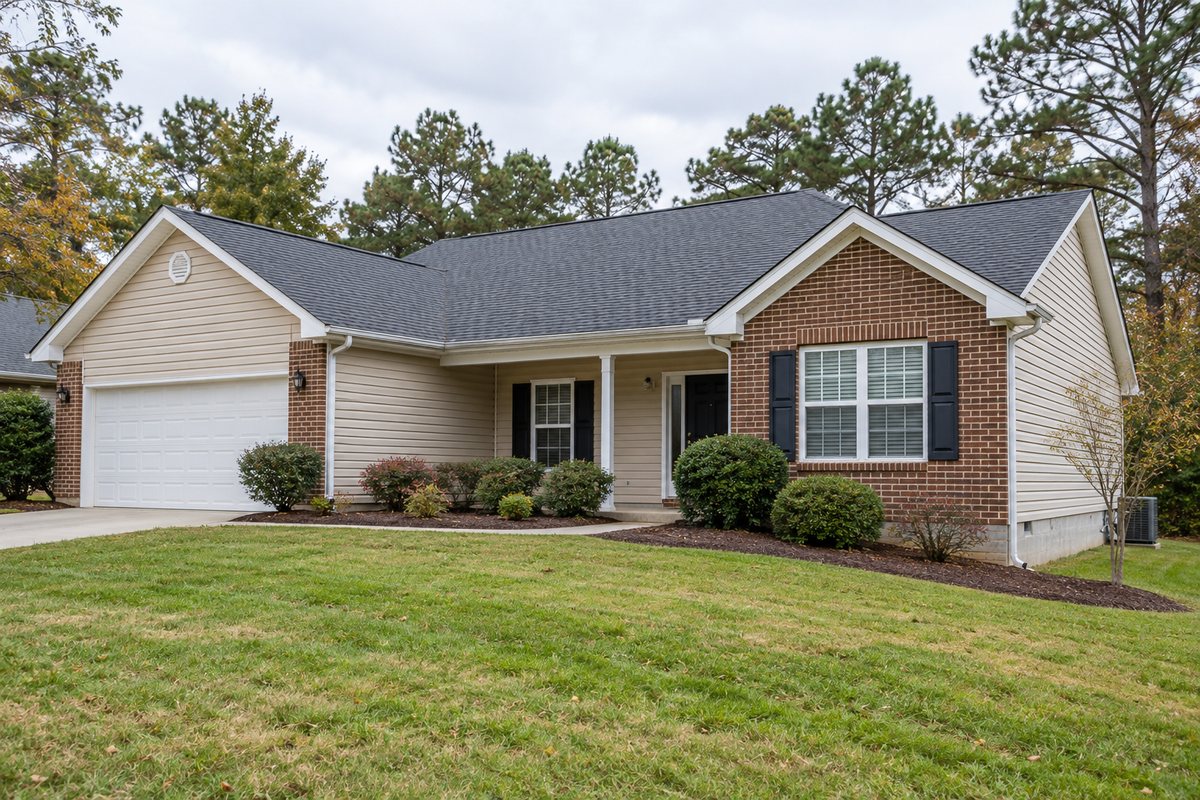

A VA appraisal does two jobs: it sets the home's value for the loan, and it checks that the home meets VA's minimum property requirements, which the VA describes as making sure a property is "safe, structurally sound, and sanitary." In Maryland, a VA purchase also needs a termite report, because the VA lists Maryland as a state where wood-destroying insect information is required for the entire state.
Near NAS Patuxent River, a lot of buyers use VA loans, so these rules touch a lot of St. Mary's County sales. Below I explain what the appraiser looks at, how the termite rule works, which small items cause the most delays, and who handles each piece. Sellers can jump to how to get ready, and buyers can see the bigger process in my VA buyer's checklist.
What Does a VA Appraisal Check?
Value and condition. The VA Lenders Handbook says minimum property requirements (MPRs) "help ensure that the property is safe, structurally sound, and sanitary," according to Chapter 12. The appraiser compares the home with nearby sales to set the value, then looks at the property against those standards.
An appraisal isn't a home inspection. The appraiser walks the property and reports what they see. They don't open up walls or test every system the way a home inspector does.
That's why buyers still order their own home inspection. The appraisal protects the loan. The inspection protects the buyer.
What Happens When the Appraiser Finds a Problem?
The appraiser calls for a repair, not another inspection. The handbook says "the appraiser must recommend repairs, not inspections, for any conditions that do not appear to meet MPRs," and origination appraisals are generally prepared subject to the needed repairs, per Chapter 12, Topic 1.
In practice, that means the loan can't close until the listed items are fixed and the fix is confirmed. A small item, like a missing handrail, can still hold up a closing if nobody knew about it until the report came back.
Who pays for the repair is a negotiation between buyer and seller, and it's written into the contract. Your agent and the buyer's lender can explain how the repair gets verified before settlement.
Why Does Peeling Paint Matter on Older Homes?
Because the VA presumes lead paint in homes built before 1978. The handbook says that if a home "or related improvements were built before 1978, the presence of lead-based paint must be presumed," and defective paint on those homes is "a safety hazard that must be remediated," per Chapter 12, Topic 32.
St. Mary's County has plenty of homes from before 1978, from older ramblers in Lexington Park to historic homes in Leonardtown. Chipping or peeling paint on window trim, porches, fences and outbuildings is one of the most common items that turns up on a VA report.
Remediation of lead-based paint has its own safety rules, so ask a contractor how they handle it before they start. If the home is a rental, Maryland has separate lead paint registration rules for pre-1978 rental units.
Do VA Loans Require a Termite Inspection in Maryland?
Yes, on purchases. The VA's local requirements page lists Maryland among the states where wood-destroying insect information is required for the entire state.
The handbook also says an appraisal "must be prepared subject to a wood destroying insect inspection if any infestation or damage is apparent," and that any damage must be repaired, per Chapter 12, Topic 33. So even beyond the statewide rule, visible damage gets addressed.
A wood-destroying insect inspection looks for signs of insects like termites and the damage they leave behind, especially in crawl spaces, sill plates, porches and anywhere wood touches soil. The inspector reports what they find so the lender can see whether treatment or repairs are needed before closing.
Keep three things separate: the wood-destroying insect report, the VA appraisal and a general home inspection. The appraisal is not a full home inspection, and who orders and pays for each one depends on your contract and the lender's requirements.
Plan for the termite report early in the contract. If it finds activity or damage, treatment and repairs take time to schedule, and the report has to be cleared before the loan closes.
What About Wells and Septic Systems?
If a VA loan requires a water test, VA Circular 26-17-19 says the water must meet the local health authority's requirements, a disinterested third party must collect the sample, and the test is valid for 90 days.
That's the VA's rule. A local health authority or a different lender can have its own requirements, so ask early.
That 90-day window means timing matters. A test done too early may need to be redone before settlement. My guide to selling with a well and septic covers the St. Mary's County records and inspections in detail.
What Is the VA Notice of Value?
It's the document that reports the VA's appraised value and lists any conditions the loan has to meet, like repairs or a termite report. The VA handbook refers to it as the NOV, and says the wood-destroying insect report requirement goes on the NOV in termite zones, per Chapter 12, Topic 33.
For a seller, the NOV is the list to work from. Every condition on it has to be cleared before settlement, so ask the buyer's agent for a copy of the conditions as soon as it's issued.
For a buyer, it's the first official word on value. If the number or the conditions surprise you, call your lender that day rather than waiting.
When Does the Appraisal Happen in a VA Purchase?
After you're under contract. The buyer's lender orders the appraisal, the appraiser visits the home, and the report comes back with the value and any conditions. The termite inspection usually happens in the same window.
- Contract is ratified, and the buyer applies for the VA loan.
- The lender orders the VA appraisal, and the buyer schedules the home inspection and the wood-destroying insect inspection.
- The appraisal comes back with the value and any MPR repairs.
- Repairs are made and verified, and the termite report is cleared.
- The loan moves to final approval and settlement.
Every step depends on the one before it. A repair that takes two weeks to schedule pushes everything behind it.
Which Small Items Cause the Most VA Delays?
Small Items That Can Stall a VA Closing
Fix or check these before the appraiser arrives
- Chipping or peeling paint on a home built before 1978, inside or out
- Signs of termite activity or wood damage
- Missing or loose handrails on stairs and decks
- Systems that don't work, like heat, water heater or outlets
- Roof leaks or active water stains
- Well, septic and BAT paperwork that isn't ready
None of these are big projects on their own. The problem is finding them on day 20 of a 30-day contract instead of before listing.
How Should a Seller Get Ready for a VA Buyer?
- Walk the house like an appraiser. Look at paint, handrails, steps, decks and anything that doesn't work.
- Scrape and repaint failing paint the safe way on homes built before 1978, using a contractor who follows lead-safe practices.
- Look for termite signs around the foundation, crawl space, porches and wood that touches soil, and fix wood damage you find.
- Get well, septic and BAT records together.
- Price to the comps. The appraiser compares your home to nearby sales, so a price based on those same sales is easier to support. See what homes are worth by zip code.
This is week three of my 4-week prep plan, and it's where sellers save themselves from a stalled closing.
What Should a VA Buyer Know Going In?
- The appraisal sets the value for the loan and checks condition. It doesn't replace your home inspection.
- Maryland VA purchases need a wood-destroying insect report.
- Repairs called for by the appraiser have to be finished before closing, so build time for them into your plan.
- If the appraised value comes in below the contract price, ask your lender right away what options VA allows. My buyer guide explains how appraisals fit into a purchase.
What Does This Look Like in a Real Sale?
Example scenario: This is a made-up example, not a real client.
Picture a 1970s rambler in Lexington Park under contract with a VA buyer. Because it was built before 1978, the appraiser calls out peeling paint on the porch trim and shed. The termite inspection finds old, inactive damage on a sill plate near the crawl space.
The seller hires a painter who follows lead-safe practices and a contractor to repair the damaged wood, and the pest company clears the report. It takes about two weeks. If the seller had walked the house before listing, the paint could have been done before the first showing.
What Mistakes Delay VA Closings?
- Assuming a newer-looking home has no paint issues. The 1978 rule is about when it was built, not how it looks.
- Scheduling the termite inspection late. Treatment and repairs take time.
- Treating the appraisal like a home inspection, or the other way around.
- Testing well water too early on a VA loan, so the 90-day window runs out.
Who Handles Each Part?
- The VA appraiser: value and the MPR review.
- The buyer's lender: ordering the appraisal, the termite report requirement, and clearing repairs.
- A licensed pest control company: the wood-destroying insect inspection and any treatment.
- Contractors: repairs, including lead-safe paint work on older homes.
- The agents: negotiating who pays for repairs and keeping the dates on track.
The bottom line: a VA appraisal looks for safe, sound and sanitary, and Maryland adds a statewide termite report. Most delays come from small items found late. If you're selling, get ahead of them with my seller guide. If you're buying, tell me what you're looking for and I'll flag VA items on every home I send.
Frequently Asked Questions
Yes. The VA's local requirements page lists Maryland as a state where wood-destroying insect information is required for the entire state. Plan for the report early in the contract. My VA buyer's checklist covers the rest of the process.
Value, plus whether the home meets VA's minimum property requirements, which the VA Lenders Handbook says help ensure a property is safe, structurally sound and sanitary. It isn't a full home inspection. See my buyer guide for how appraisals fit in.
On homes built before 1978, the VA presumes lead-based paint, and defective paint is a safety hazard that must be remediated before the loan closes, according to the VA Lenders Handbook. Use a contractor who follows lead-safe practices.
Repairs. The VA Lenders Handbook says the appraiser must recommend repairs, not inspections, for conditions that don't appear to meet minimum property requirements. Sellers can get ahead of them with my VA-ready tips.
No. The appraiser reports what they see while setting the value and checking minimum property requirements, but doesn't test systems the way a home inspector does. Buyers still order their own inspection, which my buyer guide explains.
Sources: VA: Local requirements for appraisers (wood-destroying insect states) · VA Lenders Handbook, Chapter 12, Topic 33 (KnowVA) · VA Lenders Handbook, Chapter 12 excerpts: MPR procedures, lead-based paint, wood-destroying insects · VA Circular 26-17-19 on water testing (July 2017). Checked October 2026; rules and rates can change, so confirm anything that affects your decision.
This article is general real estate information, not legal, lending, tax, or insurance advice. Talk with the right licensed professional about your specific property.
Buying or Selling With a VA Loan?
Nicole can help you spot the small items a VA appraiser flags before they hold up your closing.
Tell Me What You're Looking For Schedule a Consultation